All Categories
Featured


Strategic Advisory to Improve Business Workflows
According to McKinsey, business that break down information silos see a 15-25% increase in marketing productivity. Information Governance Frameworks: Develop clear protocols for data gain access to, use, and upkeep to guarantee consistency throughout the organisation.
Routine Audits: Schedule quarterly data-quality reviews to identify and address emerging problems before they impact performance. Real-World Example: Spotify's Data Development Spotify supplies a leading example of information innovation, integrating structured quality assurance with innovative maker discovering for customer segmentation. Their approach has driven a 20% increase in subscriber conversion and a 15% increase in listener engagement, showing how sophisticated information management directly impacts organization results.
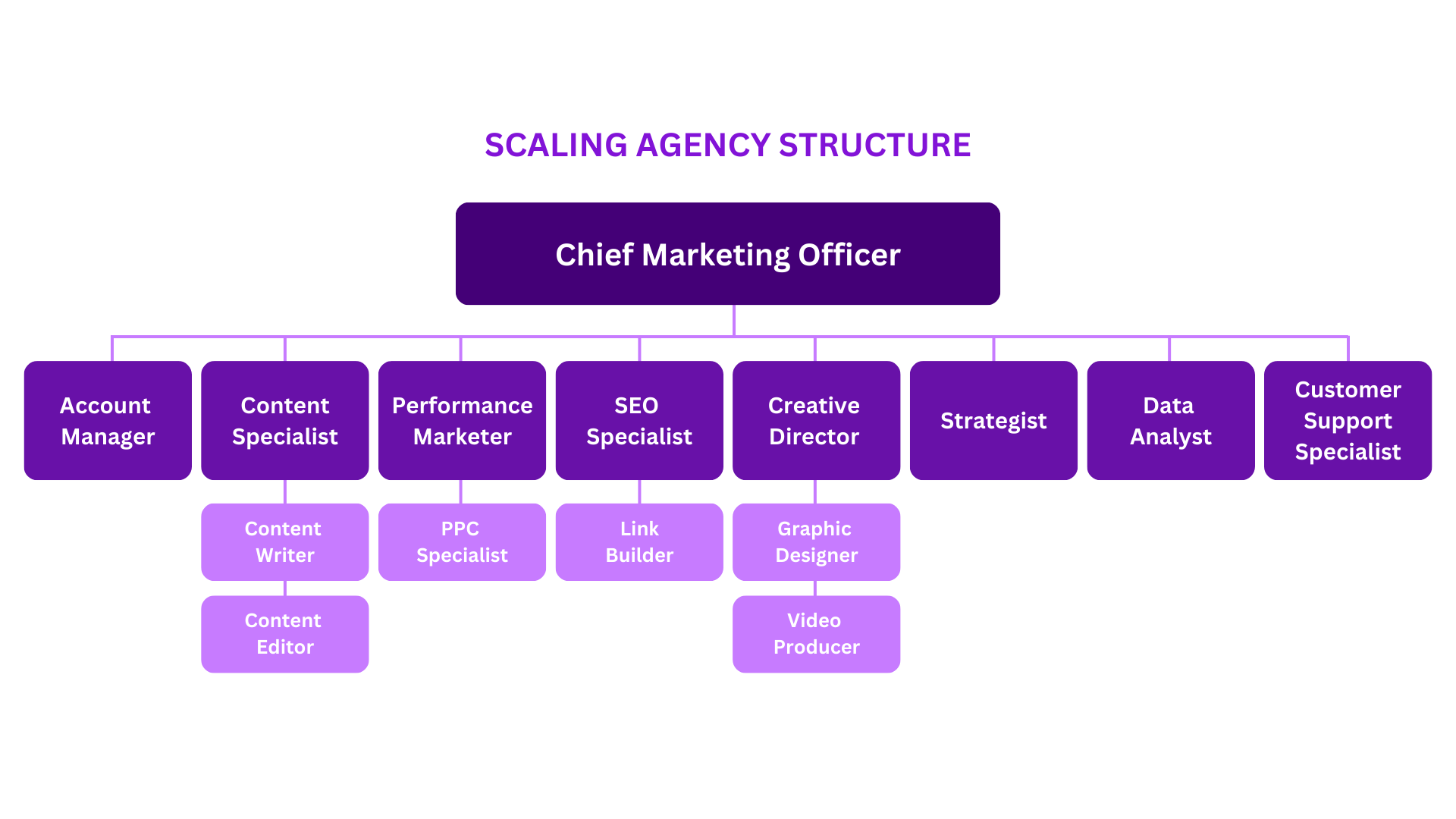
Marketing Budget Allocation GuidanceA blend of specialised functions and collaborative culture underpins effective marketing operations. A high-functioning marketing operations group typically consists of these important functions: Marketing Operations Supervisor: Manages organisational technique, innovation advancement, and process optimisation. This role acts as the bridge between marketing strategy and execution. Campaign Supervisor: Drives end-to-end project delivery by aligning creative and tactical components while making sure tactical application satisfies strategic goals.

Automation Specialist: Configures workflows, manages combinations, and makes sure the innovation stack provides optimum worth and efficiency. Material Operations Professional: Manages the content production pipeline, making sure consistency, compliance, and effective asset management. Provided today's fast technological development, cultivating a culture of adaptability is critical. Techniques to develop such strength consist of: Upskilling Initiatives: Devote quarterly discovering spending plans for expert training in emerging tools and strategies.

Latest Posts

Evaluating Sector Growth Patterns Within the United States

Strategic Industry Solutions for Modern US Markets

Why Competitive Sector Analysis Is Critical in 2026